For many men, asking “is private male massage confidential” is not a small practical question. It is often the question that comes before everything else. You may be seeking relief from stress, warm human touch, space to relax in your body, or freedom to express a softer side of yourself. You deserve to ask without feeling exposed, judged or pressured.
The clear answer is that a professional private massage should be handled with discretion. Your booking, personal details, conversation and session should be treated respectfully and privately. But confidentiality is not a vague promise or a clever word on a website. It comes from clear working practices, firm boundaries and a therapist who understands that trust is part of the treatment.
Is private male massage confidential in practice?
A reputable therapist does not discuss clients with friends, family, other clients or on social media. They do not share names, photographs, messages or personal details for entertainment, promotion or gossip. Your reason for booking is your own, whether you simply want to unwind, enjoy sensual but non-sexual touch, practise naturism, wear lingerie, or be welcomed in a form of self-expression that may feel private elsewhere.
Discretion should also shape the practical details. Booking conversations should be handled directly and professionally. Any notes kept to provide a safer, more personalised service should be limited to what is genuinely needed, such as relevant health information, massage preferences, allergies or boundaries. Details should be stored securely rather than left visible on an open diary, shared device or casual message thread.
At Blissful Serenity Massage Therapies, the intention is to offer a calm, affirming space where men can relax, unwind and be themselves without judgement. That includes being straightforward about what privacy means and what the boundaries of the service are.
Confidential does not necessarily mean anonymous. A therapist will normally need a name and a reliable way to confirm an appointment. If you are booking a mobile session, they may need your address and practical access information. This is ordinary professional administration, not an invitation to probe into your private life.
What should remain private?
A massage therapist should keep the content of your appointment private. That includes what you wear, whether you choose a natural or more feminine presentation, what makes you feel comfortable, and any personal feelings you mention during the session. You should not have to defend your identity, label your sexuality or explain why a particular kind of gentle, sensual relaxation appeals to you.
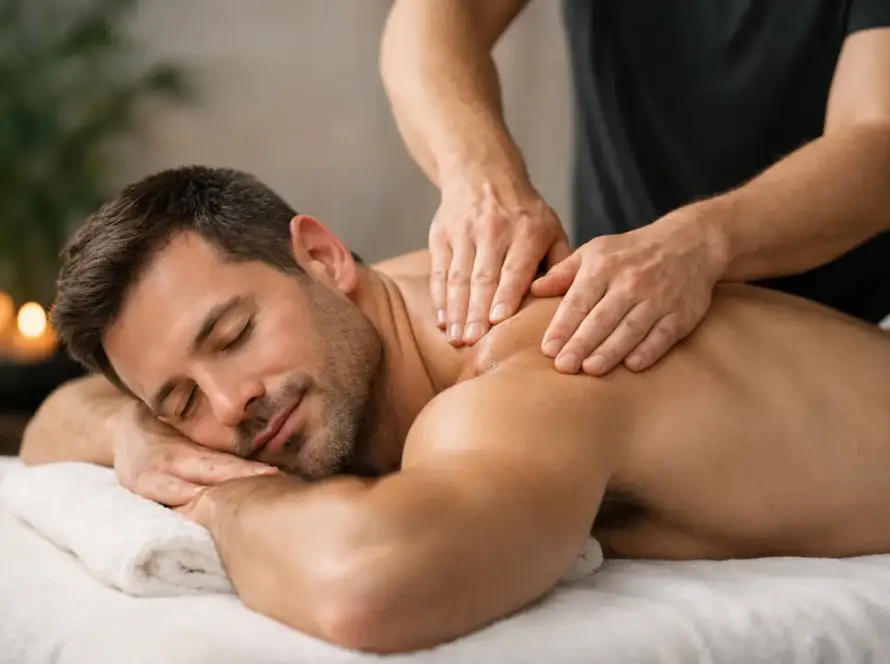
Privacy also includes your physical boundaries. A professional therapist should ask for consent, respect a change of mind and use appropriate draping or covering according to what has been agreed. Sensual massage can feel deeply personal without becoming sexual. Clear limits are not cold or restrictive – they are what allow many clients to settle, trust the experience and receive the comfort they came for.
Your therapist should not pressure you to disclose more than you want to share. It can help to say that you are nervous, that you prefer quiet, or that a particular area is off limits. Yet you never need to offer a life story in exchange for respectful treatment. A good session makes room for you, rather than making demands of you.
The honest limits of confidentiality
No responsible professional should promise absolute secrecy in every imaginable circumstance. There are limited situations where privacy may need to give way to safety or legal obligations. For example, a therapist may need to act if there is an immediate risk of serious harm to you or someone else, or if they are required to provide information by law.
These situations are exceptional. They are not a reason for a therapist to casually disclose that you booked a massage or to share private aspects of your identity. They are simply part of working responsibly with adults and maintaining a safe professional practice.
There are practical limits outside the therapy room too. If someone shares your home, they may notice that a therapist has arrived for a mobile appointment. If you use a joint bank account, a payment reference may be visible to another account holder. If you prefer additional privacy, it is reasonable to ask about payment wording, arrival arrangements and how messages are sent before booking.
A discreet service will answer these questions calmly. You should never be made to feel awkward for wanting to protect your privacy.
Privacy in a studio, at home and while travelling
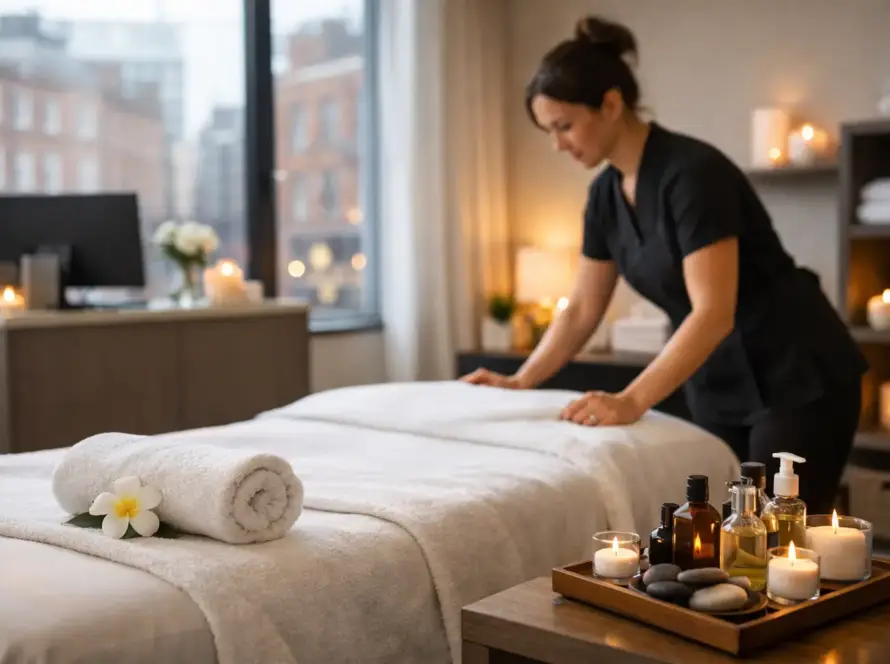
Where your massage takes place can affect the kind of discretion you need. A studio session may give you a helpful separation from everyday life. You can arrive, settle into a private environment and leave without needing to prepare your own space. For some men, that sense of stepping away from routine is part of the emotional benefit.
A home or hotel visit can be equally comfortable, particularly if familiar surroundings help you feel at ease. It does, however, require a little more thought. Choose a time when you will not be interrupted, make sure the room is warm and private, and consider whether neighbours, housemates or reception staff may be aware of a visitor. None of that is shameful. It simply helps you choose the setting in which you can relax most fully.
This can matter while away on holiday as well. Men who enjoy naturist settings often value massage as a peaceful extension of body confidence and rest. Whether you are in a quiet room, a private holiday accommodation or close to a naturist beach, the same principles apply: consent, professional boundaries, sensible communication and respect for your comfort.
Questions worth asking before you book
You do not need to interrogate a therapist, but a few direct questions can make a first appointment feel far less daunting. Ask how your personal details are stored, whether the service has a privacy policy, and how appointment confirmations are sent. If discretion around your home, workplace or accommodation matters, ask how arrival and payment are handled.
It is also wise to ask about the nature of the massage itself. A clear answer should confirm that the experience is sensual and relaxing but strictly non-sexual, with consent and comfort at the centre. If you are interested in optional feminine presentation, naturism or wearing something that helps you feel more like yourself, say so in simple terms. The right therapist will respond professionally and without making assumptions.
Notice how the reply makes you feel. A rushed, evasive or suggestive response is useful information. So is a therapist who states boundaries clearly, explains what to expect and gives you permission to decide what feels right. Discretion is demonstrated long before the massage begins.
Your comfort is part of the agreement
Confidentiality works best alongside honest communication. Before the session, be clear about any injuries, health concerns, areas you would like avoided and anything that would help you feel settled. During it, you can ask for lighter or firmer pressure, more covering, less conversation, a pause or an end to the massage. Consent is ongoing, not something granted once at the door.
The same is true emotionally. Some clients feel unexpectedly relaxed, vulnerable or affirmed when they receive caring touch in a space where they do not have to perform masculinity in a particular way. That response is valid. A professional therapist can hold the atmosphere with kindness, while remaining within the non-sexual boundaries that keep the experience safe.
You are allowed to seek comfort without having to explain yourself. Choose a therapist who treats your privacy as a standard of care, not a special favour, and let the appointment be a quiet place to breathe, soften and feel at home in yourself.