There is a particular kind of tiredness that comes from editing yourself. Perhaps it is choosing safer clothes for a family gathering, avoiding a conversation at work, or feeling that softness, sensuality or femininity must stay hidden. Queer wellness begins with the simple but powerful idea that your body, your identity and your need for comfort do not need defending.
Wellness is often presented as a polished routine: perfect meals, early mornings and expensive products. For many queer men, it can be much more human than that. It may mean having one place where you can exhale, receive kind attention, relax into safe touch, or simply be seen without needing to explain who you are.
What queer wellness can look like
Queer wellness is not one lifestyle, body type or set of labels. A gay man, a bi-curious man, someone who enjoys naturism, and someone exploring lingerie or feminine presentation may all want different things from their self-care. What connects them is the need for spaces where they are welcomed without judgement.
For some, wellness starts with practical foundations: sleep, movement, regular meals and time away from relentless notifications. For others, the missing piece is emotional comfort. Many men have been taught to treat touch as either romantic, sexual or something to be brushed aside. Yet respectful, consensual touch can also be calming, grounding and deeply reassuring.
There is no need to earn rest by reaching breaking point. Nor is there any requirement to make your identity a project. You are allowed to enjoy your body, wear what feels right, seek quiet, and choose experiences that leave you feeling more settled in yourself.
A body-positive approach to queer wellness
Body confidence is not always about looking in the mirror and feeling ecstatic. Often, it is quieter than that. It is being able to lie down without worrying how you are being viewed. It is choosing comfort over concealment. It is noticing what feels good – warmth, stillness, fresh air, a soft fabric, a slower pace – without shame.
That matters because shame creates tension. It can show up as a clenched jaw, shallow breathing, tight shoulders or the feeling that you must remain alert even when you are meant to be resting. A body-positive approach does not promise that every insecurity will vanish. It offers a gentler alternative: you can care for the body you have today.
If you are exploring a more feminine side, that care may include clothing, grooming or a private setting where you can present as you wish. If you enjoy being nude, it may mean choosing environments where nudity is ordinary rather than scrutinised. If you are unsure where you fit, it may simply mean giving yourself time. Curiosity does not require a label or a deadline.
Safe touch needs clear boundaries
Touch can be part of emotional well-being, but only when it is built on consent, communication and professional boundaries. A good massage experience should never leave you guessing what is expected of you. You should know what type of treatment is being offered, what areas will be massaged, what you can wear or remove, and that you can pause or change your mind at any point.
Sensuality and sexuality are not the same thing. A warm room, calming oils, unhurried massage and close attention to comfort can feel wonderfully sensory without becoming sexual. For men who have rarely experienced affectionate, affirming touch outside a relationship, that distinction can be especially meaningful.
A professional therapist will respect your privacy, listen to your preferences and maintain clear limits throughout. It is entirely reasonable to ask questions before booking. In fact, it is a sensible part of caring for yourself. The right service will answer plainly, without making you feel awkward for wanting reassurance.
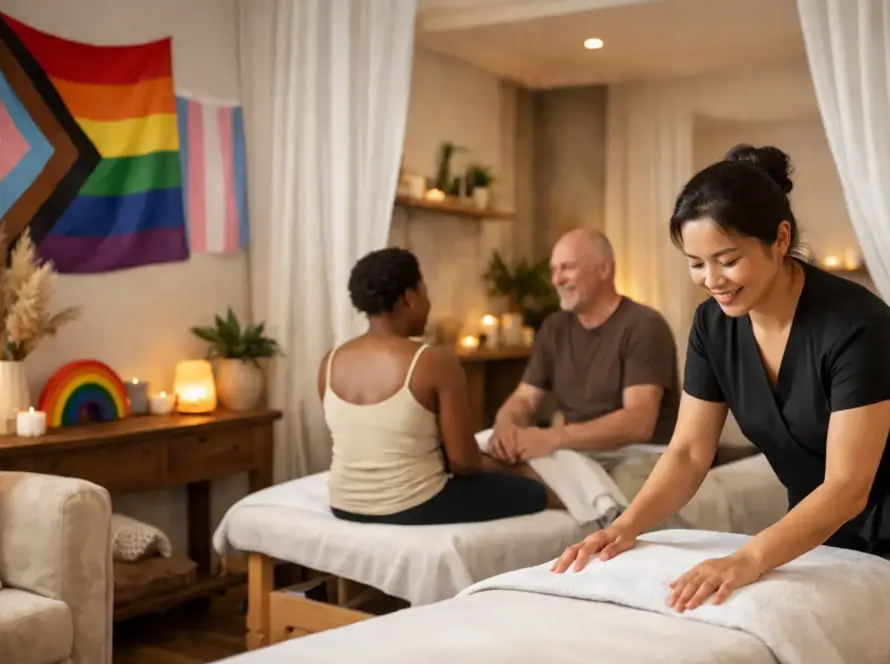
At Blissful Serenity Massage Therapies, the focus is on sensual, strictly non-sexual massage for men who want to relax, unwind and be themselves in a discreet setting. That may include a Swedish or tantra-inspired style, but the foundation remains consent, comfort and respectful professional boundaries.
Create a routine that feels like yours
Wellness works best when it fits your real life. A complicated routine you resent is unlikely to last, especially during a busy week. Instead, notice the small moments that genuinely help you return to yourself.
You might take a longer shower before bed, leave your mobile phone in another room for an hour, walk somewhere green, or put on music that makes your flat feel more like your own. You might make space for social connection with people who do not require you to perform. The point is not to become more productive at relaxation. It is to create a little more room to breathe.
It can help to ask a different question from the usual one. Rather than, “What should I be doing for wellness?”, try, “What helps me feel less guarded?” The answer may be a quiet evening, a supportive friend, an affirming community, physical movement, a massage, or a chance to dress in a way that feels authentic.
Your needs may change from week to week. Sometimes you may want company and laughter. At other times, privacy will feel more restorative. Neither choice is a failure to be social or confident. It is simply paying attention.
Summer, naturism and the freedom to relax
Summer can bring a welcome sense of freedom, particularly for men who enjoy naturism. There is something restorative about sunlight, sea air and the uncomplicated feeling of being in a body outdoors. But even in open, accepting settings, it is worth remembering that comfort is personal. You do not have to be confident every moment to belong there.
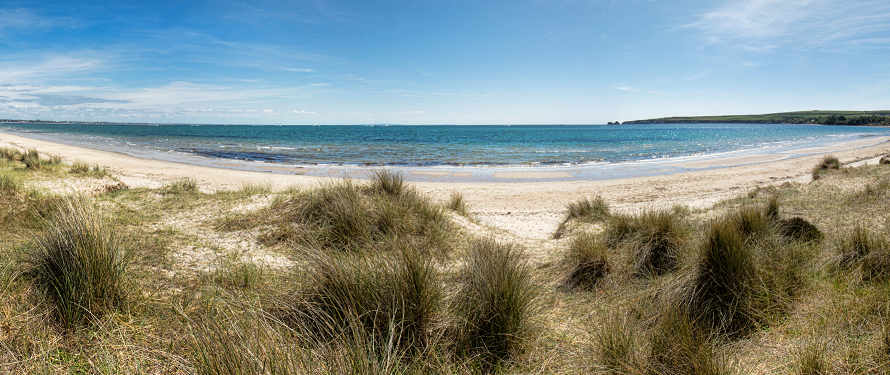
For those travelling to naturist-friendly places such as Studland, the Bournemouth and Poole area, Vault Beach in Cornwall or Cap d’Agde in France, rest can be part of the holiday rather than an afterthought. A massage can be a gentle way to ease tight muscles after travelling, walking or simply carrying the pressure of everyday life for too long.
Naturism is not about performing confidence. At its best, it offers a break from comparison and a chance to experience your body as normal, natural and worthy of care. Choose settings with a respectful atmosphere, follow local etiquette, protect your skin and let your own boundaries lead.
When wellness needs more support
Massage, rest and self-expression can support emotional well-being, but they are not substitutes for medical or mental health care. If anxiety, low mood, isolation, substance use, body-image worries or past experiences are making daily life difficult, speaking with a GP, counsellor or LGBTQ+-affirming therapist can be a caring next step.
Asking for support is not an admission that you have failed at coping. It is often the opposite. It is a decision to take your own experience seriously. The same applies if you are questioning your sexuality or gender expression: you do not need to have everything worked out before seeking a kind conversation.
The most sustaining version of queer wellness is not about becoming a new person. It is about finding people, practices and places that allow you to stop bracing yourself. Make room for what settles your nervous system, respects your boundaries and reminds you that you are already allowed to take up space.