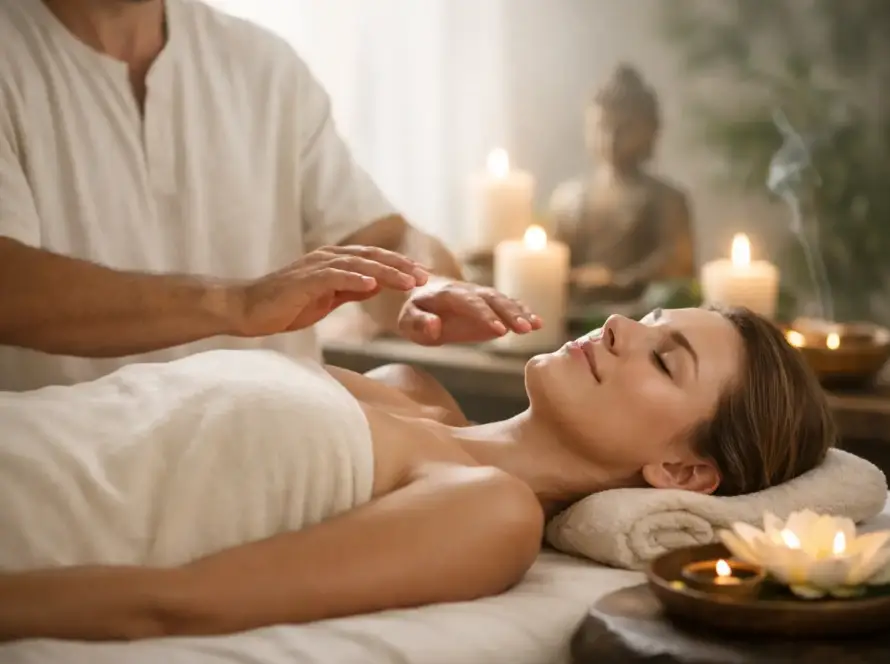
A massage room should not require you to edit yourself before you enter it. Yet for many men, finding the right practitioner can involve a quiet calculation: Will I be comfortable here? Will my body, sexuality, nerves or softer side be judged? The most meaningful inclusive massage trends UK clients are asking for are changing that calculation. They are making room for massage that feels personal, affirming and professionally held.
This is not about treating one type of man as a novelty. It is about recognising that relaxation is deeply individual. A gay, bisexual or bi-curious man may want a therapist who understands that a male-to-male treatment is not automatically sexual. A man who enjoys naturism may wish to feel at ease in his own skin. Someone who crossdresses, wears lingerie or simply longs to express femininity may need a private space where softness is welcomed without judgement.
The best inclusive massage does not make assumptions. It listens, checks in and allows a client to relax, unwind and be themselves.
What inclusive massage means in practice
Inclusivity is sometimes reduced to a reassuring phrase on a website. In a genuinely thoughtful massage experience, it is felt in the details. It begins before the appointment, with clear information about what is offered, what is not offered and how privacy is protected. It continues through an unhurried consultation where a client can state their preferences without embarrassment.
For some people, that might mean discussing pressure, areas to avoid or whether conversation is welcome. For others, it means being able to say that they are nervous about undressing, prefer a particular style of draping, or would feel more comfortable with a male therapist. These are not awkward requests. They are useful information that helps create a safe, enjoyable session.
Professional boundaries are central to this. Sensual massage can be warm, attentive and deeply calming without becoming sexual. The distinction matters. When the boundary is clear, clients do not have to second-guess what is expected of them, and the therapist can focus on relaxation, touch and emotional comfort with confidence.
Inclusive massage trends UK clients are noticing
A broader understanding of men’s well-being is behind much of this shift. Men are increasingly speaking openly about loneliness, stress, body image and the need for non-sexual, caring touch. Massage has long helped with physical tension, but clients are also seeking a place to put down the emotional armour they may carry every day.
Touch is becoming part of emotional well-being
There is a growing recognition that touch can be restorative even when there is no romantic or sexual agenda. A skilled massage can settle a busy mind, ease guarded shoulders and offer a simple sense of being cared for. For men who live alone, are navigating a change in their identity or have spent years feeling unable to ask for tenderness, this can be especially valuable.
That does not mean massage replaces friendship, therapy or medical support where these are needed. It offers something different: a contained period of calm, attentive care with clear consent and no pressure to perform.
Body positivity is becoming more specific
“Every body is welcome” is a good start, but clients tend to notice whether a practitioner can make that promise feel real. Body positivity in massage includes respecting different sizes, ages, levels of fitness and confidence. It also includes understanding that exposure can feel vulnerable, even for someone who appears outwardly relaxed.
Naturist clients may be completely comfortable with nudity but still want discretion and respectful conduct. Other clients may prefer to remain covered throughout, or only uncover the area being treated. Neither preference is more relaxed, mature or authentic than the other. Comfort belongs to the client.
Gender expression is being treated with greater care
A particularly welcome development is the recognition that masculinity is not one fixed presentation. Some men enjoy a traditionally masculine setting. Others feel more at home with gentleness, feminine aesthetics or the option of a therapist presenting in lingerie. For clients exploring crossdressing or feminine self-expression, being received warmly can be a profound relief.
The right setting does not turn identity into a spectacle. It simply makes space for it. A professional therapist can ask how a client would like to be addressed, respect their presentation and keep the focus on their comfort and relaxation.
Personalisation matters more than a standard routine
Clients are moving away from the idea that a good massage must follow an identical sequence every time. Swedish techniques, slow flowing strokes and tantra-inspired awareness can be adapted around someone’s energy, sensitivities and desired level of conversation. One client may want quiet and long, calming work across the back and legs. Another may find gentle check-ins reassuring.
Personalisation has limits, and that is healthy. A practitioner should be honest about their scope, maintain agreed boundaries and decline any request that changes the service into something sexual. Clarity is not coldness. It is part of the care.
Why discretion remains essential
For many clients, inclusivity and privacy go together. A person may be entirely comfortable with who they are while still wanting their appointment to remain confidential. They may not be out to family or colleagues. They may be exploring something new, or they may simply value their private time.
Discretion should feel practical rather than dramatic. It can mean a calm, private treatment environment, respectful communication, straightforward appointment arrangements and no intrusive questioning. It also means that clients are not asked to justify why they want a male therapist, sensual relaxation or a more affirming environment.
At Blissful Serenity Massage Therapies, the intention is to provide that sanctuary for men who want skilled, sensual but strictly non-sexual massage without shame or guesswork. The experience is shaped around consent, comfort and the understanding that feeling accepted can help the body release tension too.
Choosing an inclusive massage therapist
The most helpful question is not simply, “Do they say they are inclusive?” Ask whether their approach gives you confidence. Look for clear descriptions of the treatment, transparent non-sexual boundaries and an invitation to discuss preferences before you arrive. A professional should be able to answer practical questions without making you feel difficult or exposed.
It is also worth considering the setting that suits you. A studio may offer a peaceful separation from daily life. A home-based or mobile appointment can feel more convenient and familiar. There is no universal best option. If privacy is your priority, think about where you will be most able to switch off rather than where you think you ought to feel comfortable.
If you are nervous, say so when booking. You do not need to share your whole story. A simple note such as “I am new to massage and would appreciate a gentle introduction” is enough. The right therapist will meet that honesty with kindness and professionalism.
A more generous idea of relaxation
The direction of travel is encouraging. Inclusive massage is becoming less about fitting people into a wellness template and more about meeting them as they are. That includes the busy professional who needs an hour away from pressure, the naturist seeking respectful touch, the man rediscovering body confidence, and the client who wants permission to be soft, feminine or uncertain for a while.
No one should have to earn comfort by appearing a certain way. When touch is consensual, boundaries are clear and the room feels genuinely private, relaxation becomes easier to accept. That may be the quietest trend of all, but it is one worth choosing: a space where you can exhale, be welcomed and leave feeling more at home in yourself.