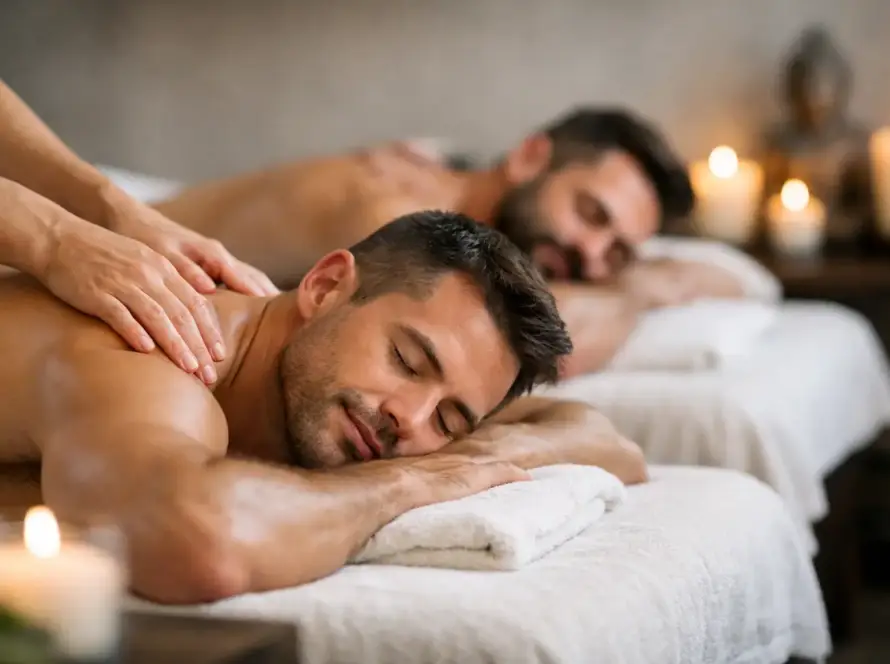
A hand resting steadily on your shoulder. The unhurried warmth of oil on tired muscles. Permission to stop performing, explaining or holding yourself together for an hour. If you have been wondering, can massage help with touch deprivation, the honest answer is that it can offer meaningful comfort – particularly when the touch is safe, consensual and free from judgement.
Touch deprivation is not always about being alone. You may have friends, colleagues, family or a busy social life and still miss the grounding experience of being held, soothed or cared for physically. For many men, especially those who have felt they must hide parts of themselves, asking for touch can feel far more vulnerable than admitting stress.
A professional massage cannot replace loving relationships, friendship or emotional support. It can, however, create a calm and private space in which your body is treated with care. That matters more than many people realise.
What touch deprivation can feel like
Touch deprivation, sometimes called touch hunger, is the longing for affectionate, welcome physical contact. It is not a weakness, and it is not automatically sexual. Human beings often use appropriate touch to communicate safety, reassurance and connection long before words can do the same job.
It may show up as persistent tension, restlessness, low mood, loneliness or a sense of being emotionally cut off. Some people notice they are desperate for a hug but cannot bring themselves to ask. Others find that they crave closeness while also feeling anxious about being seen, touched or judged.
This can be particularly complicated for gay, bisexual and bi-curious men, men exploring femininity or crossdressing, and men drawn to naturism. Past experiences may have taught you that your body, desires or softer side need to be defended or concealed. A respectful massage setting offers something different: clear consent, calm attention and the chance to simply be yourself.
Can massage help with touch deprivation in a real way?
Massage may help because it combines physical contact with focused care. A trained therapist uses purposeful, agreed touch rather than casual contact that might feel uncertain or emotionally loaded. The nervous system can respond to a slower pace, a warm room, steady pressure and the knowledge that you do not have to do anything in return.
For some clients, the first benefit is physical. Muscles soften, breathing becomes deeper and the familiar tightness across the shoulders, back or jaw begins to ease. For others, the greater relief is emotional: the experience of being attended to without having to earn it, impress anyone or explain every feeling.
That does not mean massage is a cure for loneliness. The positive effects may be temporary, and no therapist should imply that a treatment can fill every gap in your life. Yet regular, professional massage can become one supportive part of caring for yourself, alongside friendships, community, rest and, where needed, mental health support.
The difference is often in the quality of the experience. Touch that is rushed, ambiguous or unwanted can leave someone feeling worse. Touch that is discussed, welcomed and carefully paced can feel deeply settling.
Sensual does not have to mean sexual
There is room for sensuality in a professional massage. Sensuality can mean noticing warmth, scent, texture, breath and the comforting rhythm of slower touch. It can mean allowing your body to receive pleasure in the broad sense of relaxation and wellbeing.
At Blissful Serenity Massage Therapies, that distinction is held clearly. Sessions are sensual and affirming but strictly non-sexual. There is no sexual activity, no expectation and no pressure to turn emotional comfort into anything else. Clear boundaries are not a limitation on relaxation. They are what allow many clients to relax more fully.
For men who enjoy lingerie, feminine presentation or the idea of a softer, more intimate atmosphere, a therapist’s optional feminine presentation can add a layer of familiarity and permission. It is never a performance you must respond to. It is simply part of creating an environment where different expressions of masculinity and femininity are welcomed without judgement.
Why consent and boundaries make the difference
When someone has gone a long time without positive touch, they may be unsure what they want. You may want a full-body treatment but feel nervous about particular areas. You may prefer firm Swedish-style work on your back and legs, or slower, more flowing tantra-inspired techniques that invite deeper relaxation. Both preferences are valid.
A good professional experience begins with a conversation. You should be able to say what feels comfortable, what does not, whether you prefer quiet or gentle chat, and whether you would like the pressure adjusted. You can change your mind during the session. Consent is ongoing, not a one-time box to tick at the beginning.
Boundaries also protect the therapist. A genuinely safe space works both ways: it is respectful, transparent and professional for everyone involved. If you are seeking sexual services, massage designed for emotional comfort will not be the right fit. If what you want is warm, human touch without sexual expectation, clear boundaries may be exactly what helps you let your guard down.
Making a massage feel emotionally safe
The practical details can influence how supported you feel. Before booking, be honest with yourself about what you need from the appointment. Perhaps it is stress relief after weeks of work and isolation. Perhaps you want to feel more comfortable in your own skin. Perhaps you simply miss being touched with gentleness.
It can help to choose a setting that gives you privacy. A discreet studio or home-based session may feel more settling than a busy spa, particularly if you are nervous about being recognised or are exploring an aspect of yourself that you usually keep private. If you arrange a mobile appointment, make sure the space is warm, clean and somewhere you can relax without interruption.
You do not need to arrive with a polished explanation of your emotions. A simple sentence is enough: “I have been feeling disconnected and would like a calming treatment.” The right therapist will hear that without making assumptions about your identity, relationship status or intentions.
Afterwards, allow yourself a little time. Drink water, move slowly and notice how you feel rather than rushing straight back into emails or errands. Some people feel peaceful and sleepy; others feel unexpectedly emotional. Neither response is wrong. Gentle touch can bring awareness to needs that have been pushed aside for a long time.
When massage may not be enough on its own
If your loneliness feels overwhelming, if you are struggling with depression, or if past trauma makes touch frightening or confusing, massage may need to sit alongside other support. Speaking with a GP, counsellor or therapist can offer a place to explore those feelings more deeply. A reputable massage therapist will respect that and will never present bodywork as a substitute for professional mental health care.
It is also wise to pause or seek medical advice if you have a condition that makes massage unsuitable, such as an acute injury, certain skin infections, unexplained pain or a serious health concern. Personalised care includes knowing when to adapt a treatment or wait.
For many men, though, the first step is smaller than they expect. It is choosing an hour in which they are not required to be tough, detached or certain of every part of themselves. Safe touch will not solve every lonely feeling, but it can remind your body that comfort is allowed – and that you are allowed to receive it.