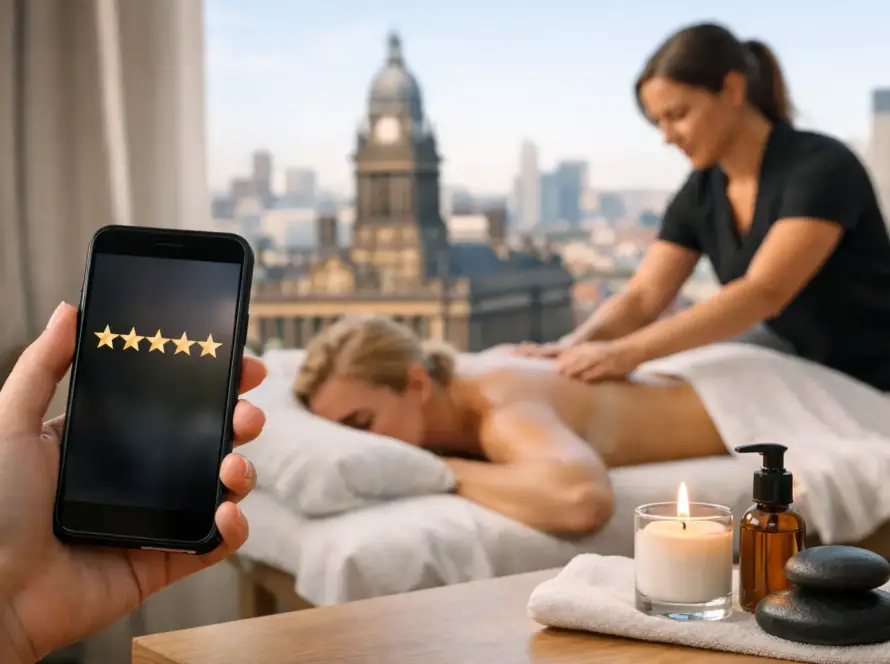
A private massage room can be a rare place to switch off from the pressure to perform. For men who feel most at ease without clothing, or who simply value body acceptance, the question is understandably practical: is naturist massage legal in the UK? In most private, consenting adult settings, nudity itself is not automatically illegal. What matters is the context, the conduct, clear consent and whether the session remains within lawful, professional boundaries.
Naturist massage can be calm, restorative and entirely non-sexual. It can also mean different things to different people, which is exactly why a reputable therapist should discuss expectations before an appointment begins. You deserve clarity, privacy and the freedom to relax without judgement – not uncertainty about where the boundaries lie.
Is naturist massage legal in the UK?
There is no single UK-wide law specifically called “naturist massage”. The legality of a session is judged through broader laws around consent, public behaviour, sexual conduct, business regulation and safeguarding.
In a genuinely private setting, two adults may choose to be nude without that fact alone creating an offence. A client may be nude for a massage, and a therapist may have their own clearly stated dress policy. Naturism, in itself, is not the same as sexual activity, indecency or a sexual service.
The important distinction is what happens during the treatment. A professional naturist massage is based on agreed therapeutic or relaxation-focused touch. It does not involve sexual contact, sexual acts, pressure to participate in anything sexual, or an implied exchange of intimacy for payment.
Where behaviour is visible to the public, likely to cause alarm or distress, non-consensual, exploitative or otherwise unlawful, the position changes quickly. This is why a private studio, a properly arranged home visit or suitable accommodation matters. Discretion is not just about comfort. It helps create the controlled environment in which consent and boundaries can be respected.
Nudity is not consent to anything more
This is the principle that makes a safe session possible. Choosing to be nude does not mean a client is inviting sexual touch, genital contact, flirtation that feels unwelcome or any change to the agreed treatment. Equally, a therapist’s presentation – whether traditionally masculine, softly feminine or simply relaxed – is never consent for a client to cross professional boundaries.
Consent should be specific, informed and ongoing. Before the massage, a therapist should explain what the session includes, what areas can be worked on, what will remain covered or avoided, and how the client can pause or stop at any point. During the massage, checking in should feel natural rather than awkward. A simple “Is this pressure comfortable?” or “Would you like me to avoid that area?” gives a client room to remain present in their own experience.
Consent can be withdrawn at any time, for any reason. There does not need to be an apology or explanation. A good therapist will respond calmly, adjust the treatment or end it if that is what the client needs.
For some men, particularly those who are exploring naturism, bisexuality, crossdressing or a softer side of themselves, this reassurance can be deeply settling. You can enjoy warmth, respectful touch and body confidence without being pushed towards an identity, activity or label that does not feel right for you.
The difference between sensual and sexual massage
The word “sensual” can cause confusion because it describes an experience of the senses: warm oil, unhurried touch, calming music, a peaceful room and the relief of being cared for. None of that has to be sexual.
A sensual but non-sexual massage may incorporate slow Swedish-style strokes, a nurturing pace and tantra-inspired awareness of breath and relaxation. It may feel emotionally comforting because safe touch can help the body soften after stress or loneliness. But the intention and boundaries remain professional throughout.
A sexual service is different. It involves sexual activity or sexualised contact as part of the arrangement. Calling something “massage” does not change its nature if the agreed purpose is sexual. Reputable therapists make the distinction plainly, in their service descriptions and before a booking is confirmed.
This directness protects everybody. Clients know what they are booking, therapists can work with confidence, and there is no uncomfortable guessing once the door closes. If you want a peaceful, affirming experience rather than an erotic encounter, clear wording is a sign of care, not coldness.
Local licensing and professional responsibilities
Although private nudity is not automatically unlawful, massage businesses may still need to meet local rules. Requirements vary between councils and can depend on the service, premises and area. In some places, massage or complementary therapy businesses need a local licence or registration. London has particular special treatment licensing arrangements in some boroughs, while other councils have their own schemes.
A therapist also needs to consider insurance, hygiene, client records, data protection and the conditions of any venue they use. A holiday let, hotel or private home may have its own rules about business use or visitors. If a massage is arranged at a naturist location, it should be done with the knowledge of the venue where appropriate, rather than assuming that a naturist setting permits every kind of commercial activity.
The legal and regulatory detail can differ across England, Wales, Scotland and Northern Ireland. If you are a therapist setting up a service, it is sensible to check the requirements of the relevant local authority and seek professional legal advice where needed. If you are a client, you do not need to become an expert in licensing – but you can reasonably ask whether the therapist is insured, trained and operating professionally.
Choosing a respectful naturist massage experience
A safe provider will not make you decode vague promises or feel embarrassed for asking straightforward questions. Their website and booking conversation should tell you whether client nudity is accepted, whether the therapist is clothed or nude, the nature of the treatment, and the boundaries that apply.
Look for a calm, consistent approach rather than exaggerated claims. A professional should be willing to explain their process, confirm the length and cost of the session, discuss health considerations and make clear that sexual contact is not offered. They should never pressure you to undress, remain nude, book extra time or share personal information you do not wish to share.
It is also worth listening to your own instincts. You may want to begin with a draped massage, wear underwear, or have nudity as an option rather than a starting point. There is no test to pass and no “right” way to be naturist. Comfort is personal. The best treatment is the one in which your body can relax because you feel safe, seen and in control.
For clients seeking a discreet male-to-male setting in Guildford, Surrey, London or selected nearby locations, Blissful Serenity Massage Therapies offers sensual, strictly non-sexual massage with boundaries discussed respectfully before the session. The focus is relaxation, acceptance and emotional comfort, including for men who want space to be themselves without judgement.
Privacy, discretion and practical common sense
Naturist massage is usually most straightforward when it takes place indoors, behind closed doors and by prior appointment. A private environment reduces the risk of misunderstandings with neighbours, shared households, hotel staff or members of the public. It also gives both client and therapist the quiet needed for a proper consultation and a relaxed treatment.
If a session takes place in your home, choose a room where you will not be interrupted. If you share a property, make arrangements that preserve privacy. If you are visiting a therapist, make sure you know the location, arrival instructions and cancellation policy in advance. These small details create the sense of safety that lets the massage feel restorative rather than rushed.
Naturism can be wonderfully uncomplicated when it is approached with maturity. It is about comfort in your own skin, not an obligation to be sexual or to explain yourself. The right massage experience leaves you calmer, more grounded and more at home in your body – with your boundaries respected from the first conversation to the final moment of quiet.