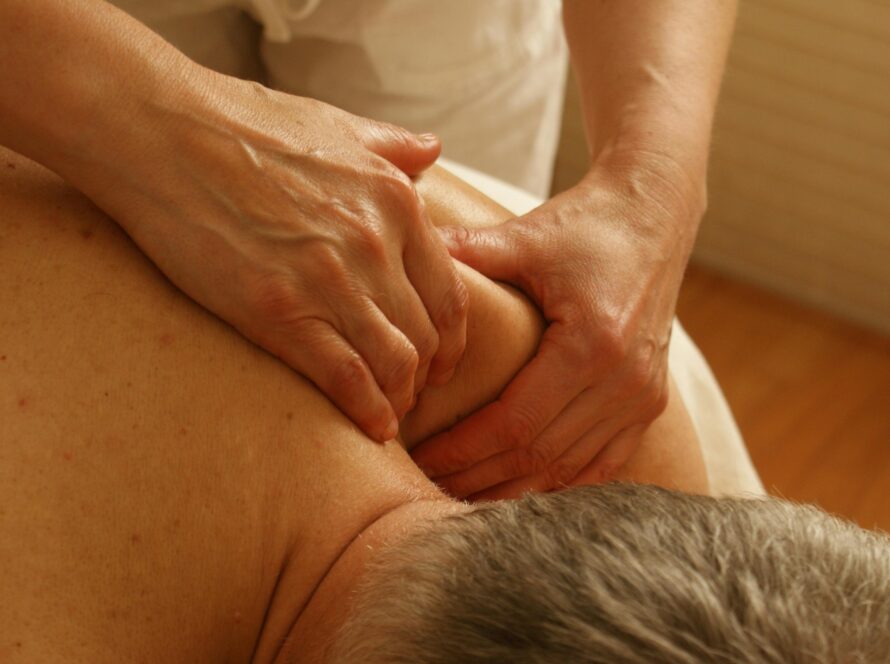
Walking into a massage can feel surprisingly exposing, even when you are looking forward to it. You may be unsure what to say about your body, how much clothing feels right, whether you can ask for a different pressure, or how to explain a desire for softer, more sensual relaxation without being misunderstood. These massage confidence examples are here to make one thing clear: you do not need to perform confidence to deserve care. You simply need permission to be honest about what helps you feel comfortable.
For many men, especially those who have felt judged for their sexuality, body, femininity or need for affectionate touch, that honesty can take practice. A professional, non-sexual massage should be a private space where your comfort and emotional well-being matter from the first conversation to the final moment of rest.
What massage confidence really looks like
Massage confidence is not about arriving with a perfect body, knowing every massage term, or acting completely relaxed. It is the quiet ability to express a preference, ask a question or change your mind. It can be as simple as saying, “I am a little nervous, so I may need a moment to settle in.”
A good therapist will welcome that information. In fact, it helps create a session that suits you, rather than asking you to fit a one-size-fits-all idea of massage. You remain in control of your body and your choices throughout.
Confidence can also mean recognising what you do want. Perhaps you enjoy slow, calming touch and the sense of being cared for, but want firm professional boundaries. Perhaps you are exploring naturism and would feel more at ease without a towel, or you would prefer to remain covered except for the area being massaged. Neither preference needs an apology. The right choice is the one that lets you relax.
Massage confidence examples you can actually use
The following phrases are not a script you must memorise. Think of them as starting points that make it easier to say what you mean in your own words.
When you are feeling nervous or self-conscious
You might say, “I have not had this kind of massage before, and I am feeling a bit self-conscious about my body.” This gives your therapist a useful cue to slow down, explain what will happen and check in more often.
If you have worries about scars, weight, body hair, ageing or an area you prefer not to have touched, try: “I would appreciate a little reassurance before we begin,” or, “Please avoid commenting on my body. I just want to relax.” A respectful therapist will respond with calm professionalism, not curiosity or judgement.
For some clients, being seen in a softer or more feminine way is part of what makes the experience restorative. You could say, “I would like a gentle, affirming atmosphere today,” or, “I feel most comfortable when I can express a feminine side of myself without it becoming a big discussion.” You are allowed to set that tone without having to explain your life story.
When you need to set touch and draping preferences
Clear preferences are not awkward. They are part of informed consent. Before the massage begins, it is perfectly reasonable to say, “I would like to stay covered throughout,” “I am comfortable with professional draping,” or, “I practise naturism, but I would still like clear check-ins and boundaries.”
These statements are especially helpful because comfort is personal. One person may find a carefully draped massage deeply relaxing; another may feel more at ease nude in a private setting. In either case, the massage remains strictly non-sexual. Nudity, sensual relaxation and personal expression never remove the need for consent, professionalism or clear limits.
You can also be specific about areas. “Please focus on my shoulders, back and legs, but not my chest,” is enough. So is, “I would like my hands included, but I am not comfortable with my feet being touched.” You do not need a dramatic reason. Your preference is reason enough.
When pressure, pace or atmosphere is not quite right
Many people stay quiet because they do not want to offend the therapist. Yet a small adjustment can transform the whole session. Say, “Could you use a little less pressure there?” or, “That feels nice, but could you slow the pace down?”
If a particular area feels tender, “Please work around that spot today” is clear and kind. If you would rather not chat, try, “I relax best in silence, if that is alright.” If gentle conversation would settle your nerves, say so. A therapist cannot read your mind, but they should listen carefully when you speak.
Atmosphere matters too. “Could the room be a little warmer?” or, “Would it be possible to lower the music?” may feel like minor details, but they can help your nervous system settle. The goal is not to be demanding. It is to make the appointment feel safe enough for you to receive the relaxation you came for.
When something changes during the session
Consent is ongoing, not something completed at the start. You can change your mind at any point, including after you initially agreed to something. Useful phrases include: “I would like to put the towel back on now,” “Can we move on from this area?” and, “I need a short pause.”
You may also simply say, “Stop, please.” You do not have to soften it, justify it or wait for a convenient moment. A professional therapist will stop immediately, check that you are all right and follow your lead about what happens next. That might mean adjusting the massage, taking a break or ending the session.
Confidence begins before you arrive
You can make the first appointment feel less daunting by sharing your key preferences when booking. A brief message can save you from having to find the words while you are nervous in the room. For example: “I am looking for a relaxing, sensual but non-sexual massage with a male therapist. I am new to this and value privacy, gentle communication and clear boundaries.”
That level of honesty helps you identify whether a service is right for you. Look for straightforward language about discretion, professional conduct, consent and the non-sexual nature of the massage. If a provider is vague, dismissive of questions or makes you feel pressured to disclose more than you want, trust that feeling. You are free to choose another therapist.
It can help to decide on two or three essentials before you book: the areas you want focused on, your clothing or draping preference, and whether you would like conversation or quiet. Keep it simple. You can always add detail later.
At Blissful Serenity Massage Therapies, comfort is not treated as an extra. Clients are welcomed without judgement, whether they want straightforward stress relief, a safe space for body confidence or room to relax into a more feminine form of self-expression. Sessions remain professional and strictly non-sexual, with discretion and personal boundaries respected throughout.
Letting confidence grow gradually
There is no prize for being brave all at once. Your first massage might involve keeping your underwear on, asking for a back-and-shoulders treatment only and choosing quiet. A later session may feel different once you know the environment and have experienced respectful touch. Both are valid.
Confidence often grows through small moments where you speak up and are heard. Each time you ask for lighter pressure, request more coverage or say that a certain approach helps you feel at ease, you are learning that your comfort is worth protecting. Bring only the openness that feels right for you, and let the rest unfold at your own pace.