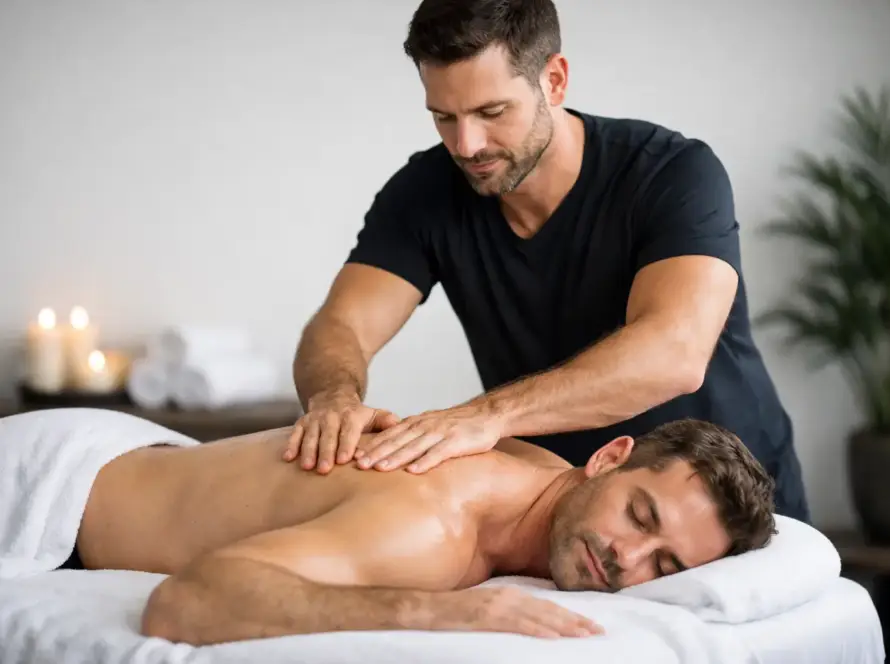
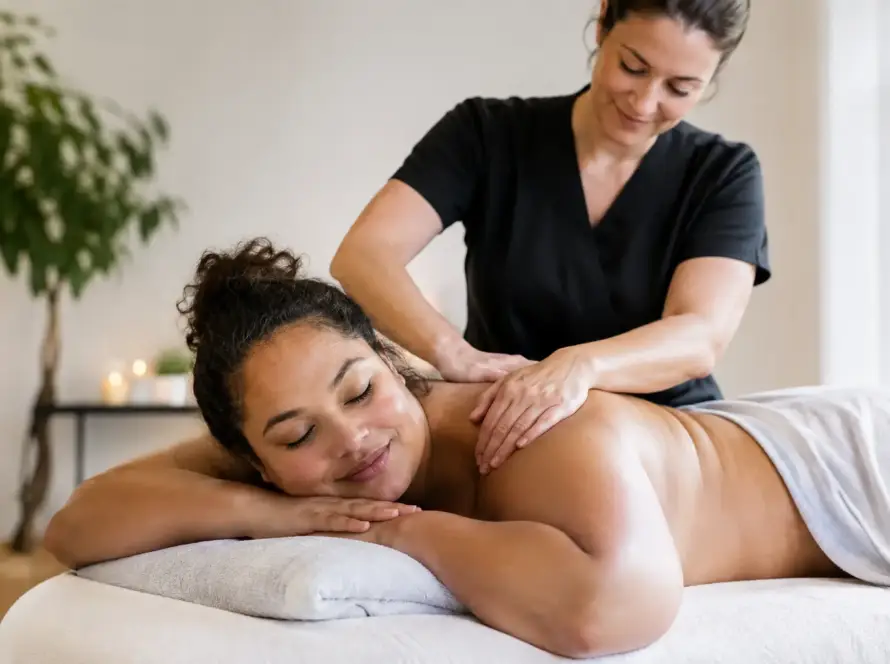
Inviting a massage therapist into your home, hotel or holiday accommodation can feel wonderfully personal. It can also feel exposing, particularly if you are seeking a male therapist, enjoy sensual relaxation, are new to naturism, or want space to express a softer side of yourself. This guide to mobile massage safety is here to make the process feel calmer: you deserve comfort, discretion and clear professional boundaries from the first message to the moment your therapist leaves.
A mobile session should never require you to ignore a worry or guess what will happen next. The best experience is one where you can relax, unwind and be yourself because the practical details have been handled with care.
Start with a service that is clear about its boundaries
Before arranging anything, read how the therapist describes the massage. A professional mobile service explains what it offers, what it does not offer, how appointments are arranged and what clients can expect. Vague wording, pressure to move a conversation to an untraceable channel, or promises that seem designed to avoid direct answers are reasons to pause.
Sensual massage can be deeply relaxing without being sexual. There is a meaningful difference between warm, attentive touch that supports emotional well-being and any service that crosses agreed professional boundaries. You should never have to decode that distinction alone. Ask direct questions if you need reassurance, and choose a therapist who answers respectfully and without making you feel awkward.
At Blissful Serenity Massage Therapies, sessions are explicitly non-sexual. That clarity protects your comfort as much as it protects the therapist’s. It allows you to enjoy soothing touch, body acceptance and a private atmosphere without uncertainty about the purpose or limits of the appointment.
Guide to mobile massage safety before you book
A few sensible checks can make a large difference, especially when you are meeting for the first time. Look for a consistent professional presence, clear contact details, realistic information about services and a booking process that does not rush you. Testimonials may offer useful context, but they should support, rather than replace, your own judgement.
Give only the information needed to arrange the visit. Your address, preferred appointment time, access instructions and any relevant health information are usually enough. You do not need to share deeply personal details to earn kindness or acceptance. A thoughtful therapist will make room for your preferences while respecting your privacy.
It is also reasonable to confirm practical points in writing before the appointment: the massage duration, price, payment method, travel charge if applicable, whether you need to provide towels or a suitable space, and the cancellation policy. Clear expectations prevent uncomfortable misunderstandings later.
If you have a medical condition, recent injury, skin concern or are taking medication that affects sensation, circulation or bruising, mention it honestly. Massage is adaptable, but it is not right for every situation. A professional may suggest lighter pressure, avoid a particular area or advise postponing the session. That is care, not rejection.
Listen to discomfort early
Nerves are common when arranging a private treatment, particularly if this is your first massage or you are exploring a part of yourself that you usually keep hidden. Nervousness is not automatically a warning sign. Feeling pressured, confused or unable to ask questions is different.
If a message makes you uneasy, you may stop the conversation. You do not owe anyone a booking, an explanation or another chance to persuade you. Trust is built through respectful communication, not urgency.
Prepare a private, practical space
Mobile massage works best when the room is warm, quiet and easy to move around in. A living room, bedroom or private hotel room can work well, provided there is enough clear floor space for a massage table and the therapist can safely enter and leave. Put away trip hazards, secure pets in another room and make sure the route from the entrance is well lit.
Privacy matters, but so does feeling secure. If you share a home, arrange a time when interruptions are unlikely. If you are staying in a hotel or holiday accommodation, check visitor rules in advance and give the therapist accurate arrival instructions. Do not ask them to enter through unsafe or restricted areas simply to avoid being seen.
You are entitled to choose what helps you feel at ease. That might mean soft lighting, quiet music, a shower beforehand or wearing clothing that makes you feel more like yourself. For some men, that may include lingerie or feminine clothing. There is no judgement in expressing yourself, but your choices should always sit within the boundaries agreed with your therapist and the non-sexual nature of the session.
A good therapist will use professional draping and explain how it works. You may state which areas you do not want massaged, whether you prefer firm or gentle pressure, and whether you would like conversation or quiet. Consent is ongoing, not a single question at the beginning.
During the massage, your comfort leads
Before the treatment starts, there should be a short consultation. This is your opportunity to discuss injuries, pressure preferences, sensitivities and boundaries. Be specific where you can. Saying, “Please avoid my lower back,” “I would prefer a lighter touch,” or “I am not comfortable with that area” is completely acceptable.
You can change your mind at any point. Ask for an adjustment, request more draping, take a break or end the session. A professional therapist will respond calmly and without sulking, persuasion or embarrassment. You do not need to justify a boundary for it to be respected.
The same courtesy applies both ways. Treat the therapist’s boundaries as firmly as you expect yours to be treated. Keep communication respectful, avoid assumptions based on a sensual style of massage or feminine presentation, and understand that non-sexual means non-sexual throughout. Clear limits create the conditions for genuine relaxation.
Mobile phones can disturb the atmosphere, so consider silencing yours after any essential check-in has been made. If having a trusted person know you have an appointment would help you feel safer, tell them discreetly. You can simply say you have booked a wellness treatment and when you expect it to finish. The choice is yours.
Safety matters when you are travelling too
A holiday massage can be a lovely way to settle into a slower rhythm, whether you are staying near the coast, visiting a naturist setting or enjoying a city break. It also calls for a little extra planning. Confirm the exact venue, building access, parking or drop-off arrangements, and whether the room genuinely offers enough space and privacy.
Avoid arranging a first appointment when you have been drinking or using recreational substances. Massage affects the body, and clear communication matters. If you are tired after travel, dehydrated, sunburnt or unwell, tell the therapist. Rescheduling may be the more comfortable option.
Naturism does not remove the need for boundaries. A naturist environment may feel freeing and affirming, yet every therapist and client should still be clear about nudity, draping, touch and conduct beforehand. Consent and professionalism are not less relevant in relaxed settings. They are what make relaxation possible.
After the appointment, keep the good feeling grounded
Give yourself a few quiet minutes after the therapist has packed away. Drink water, move slowly and notice how your body feels. Some people feel deeply sleepy; others feel lighter, more emotional or simply pleased to have been cared for. All are normal responses to a calming treatment.
If something felt particularly good, make a note for a future session. Perhaps you preferred silence, a slower pace, extra attention to your shoulders or the reassurance of a clear check-in. Equally, if something did not feel right, you may say so. Constructive feedback helps a professional tailor future care, while a serious concern should never be dismissed.
The right mobile massage is not about taking risks to receive touch or affirmation. It is about choosing a setting where you are welcomed without judgement, where boundaries are steady and where you can let your shoulders drop. Give yourself permission to ask the questions that help you feel safe. That small act of self-care often makes the relaxation that follows feel far more real.